Sex sells. Just look at China's US$1.5 trillion "sheconomy": women are paying hot men US$150 to accompany them on mountain hikes.
In China, it's part of a booming 'emotional value' economy. I'd argue that at your local commercial gym, it's a personal training sales tactic.
Having spent five years in the fitness industry, I'm surprised we're treating this as something new.
The New York Times just reported on China's female-oriented entertainment boom.
Male dance performances sell out in SEVEN seconds. Theme parks are paying handsome male entertainers up to US$4,500 a month (over six times the average urban resident's monthly income.)
All against the backdrop of a slowing economy.
I believe we've been monetising female desire for years. It's just that our conservative sensibilities require us to call it something else.
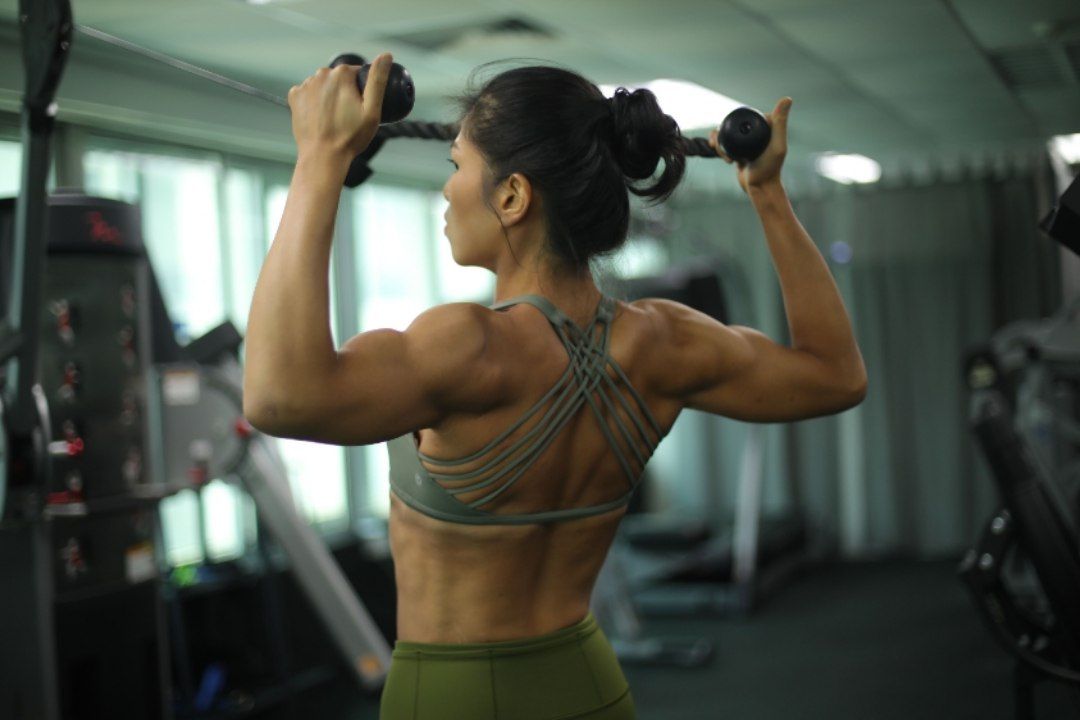
(Ever wondered why some gyms pair prospective customers with attractive trainers of the opposite sex? I'm sure it's entirely coincidental.)
The NYT explores how women's growing economic independence and dissatisfaction with traditional relationships are fuelling this demand.
And before you dismiss this as a uniquely Chinese phenomenon, let's look closer to home.
Naturally (as part of my very serious market research), I've infiltrated Singapore's fan communities for Love and Deepspace, a romance simulator game where women date 3D animated men.
By March 2025, the game had generated an estimated US$10 million+ in SEA alone. Singapore ranks among its top 15 spending markets globally, despite our tiny population (Niko Partners).
Cue birthday parties, fan-made merchandise, wedding dresses at events and four-figure billboard ads. (For men who don't even have a pulse.)
While researching for Maibel, a comment from a fan interviewed by CNA stood out:
"In real life, I take charge of everything. [In the game], I just need to show up."
Perhaps the fantasy isn't about finding a better man, but experiencing a different version of your everyday life.
Someone else who initiates, remembers the little things... and for once, you're not managing everything behind the scenes.
Being considered is a luxury in itself.
And sometimes, women just enjoy looking at hot men. (God forbid we have expensive hobbies.)
But here's where things get super interesting for me.
Another 28-year-old Singaporean interviewed by The Straits Times shared that exercising alongside her virtual boyfriend in Love and Deepspace helped her stay consistent. She lost nearly 20kg over a year.
She wasn't motivated by any fancy fitness algorithms, calorie trackers or perfectly optimised workout plans. Just a fictional man she enjoyed working out WITH.
Having spent years working to improve women's health, I'm interested in something beyond extracting commercial value from female desire.
What if we used our understanding of it to create value FOR women?
At Maibel, women have drawn fan art of our AI wellness companion, given him nicknames and walked extra steps to unlock more of his fictional world.
We're building a wellness product. Somehow, our oppa acquired a fandom.
More importantly, women were exercising to access more of a story they were emotionally invested in.
The fitness industry keeps building better tools for people who are already motivated.
What about designing experiences for people who struggle to stay motivated in the first place?
I'm building Maibel on the bet that emotional value can drive sustainable behaviour change, not just consumer spending.
Female desire isn't an emerging market. It's an underestimated one.
And the cost of overlooking underserved consumers isn't just missed revenue.
It's everything we could have built to improve their lives had we taken their desires seriously in the first place.

Hi, I’m Mabel.
I’m the founder of Maibel. I write about emotional AI, women’s wellness and learning to build the things I wish existed.
More about me